Flower SVG Bundle: A Designer’s Real-World Embroidery Review
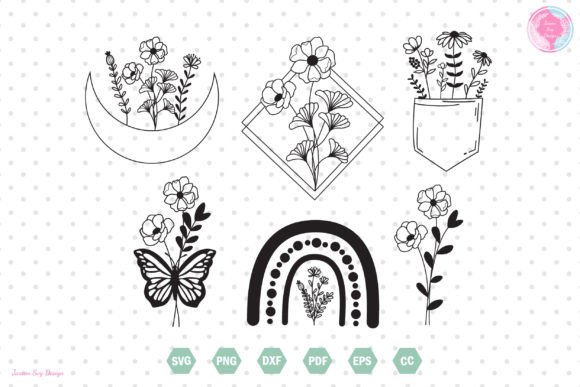
As a designer who’s stitched over 200 client projects—from boutique aprons to Etsy baby onesies—I opened Flower SVG Bundle expecting charm. What I found wasn’t just pretty; it was quietly versatile. Sixty-six wildflower-themed files, all built for Cricut and Silhouette, but the real question is: do they translate cleanly into machine embroidery? I tested them on a custom linen tote bag destined for a local flower shop’s gift line—and here’s what held up, what needed adjustment, and where this bundle truly shines.
First Impression: Delicate, Not Fussy
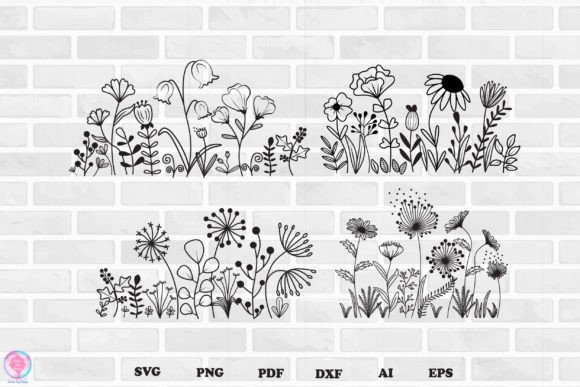
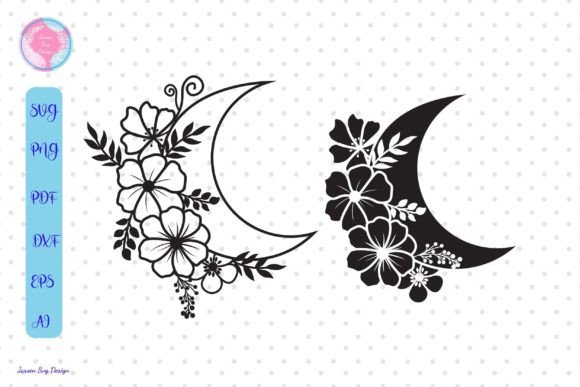
The moment you unzip the folder, the mood is clear: soft botanicals, not bold graphics. These aren’t cartoon daisies or oversized roses—they’re stylized wildflowers with gentle curves, subtle layering, and intentional negative space. That breathability matters. In embroidery, crowded outlines choke under satin stitch; tight clusters of tiny petals vanish in fill stitch. Flower SVG Bundle avoids that trap. Most designs balance detail with stitch-friendly simplicity—think single-stem lavender sprigs, open-petal cosmos, and trailing clover vines—not hyper-realistic bouquets. It feels handmade, not mass-produced. That authenticity lands well on nursery decor, tea towels, and personalized gifts where warmth and tactility matter more than flash.
Where It Stitches Well—And Where It Asks for Care
On medium-weight cotton canvas (like my tote), the smaller motifs—single blossoms under 3" wide—stitched cleanly with standard tear-away stabilizer. No puckering, no thread breaks. The satin-stitch edges stayed crisp, and the running-stitch stems held definition without stiffness. For sweatshirt embroidery? I chose a looser, lower-density version of the fern-and-daisy combo—it softened beautifully against fleece texture and didn’t overwhelm the fabric’s drape.
But not every surface is forgiving. On thin rayon baby onesies, I skipped the denser floral clusters entirely. Instead, I isolated one slender stem with three buds—lightweight, low-stitch-count, and anchored with lightweight cutaway stabilizer. Same goes for curved surfaces: caps and structured hats need simplified versions. The original SVGs include layered elements that, if embroidered as-is, would cause registration drift on a baseball cap’s front panel. My fix? Flatten layers in digitizing software first—or better yet, use only the cleanest outline-only variants from the bundle for applique design work.
Dark fabrics revealed another nuance: some lighter-colored flowers lost contrast when stitched in ecru or light sage thread. I swapped to heathered charcoal thread on black linen—suddenly, the same design looked grounded, intentional, even sophisticated. That’s not a flaw in Flower SVG Bundle; it’s a reminder that thread colors and fabric texture are co-designers. Always test on scrap first—and check how the motif reads in black-and-white mockups. If it fades in grayscale, it’ll likely lack impact on busy or dark backgrounds.
Fitting Into Real Creative Workflows
This isn’t just “cute for Instagram.” As an Etsy seller, I’ve used two motifs from Flower SVG Bundle to create embroidered patches for a small-batch apron line. Why patches? Because the clean outlines digitize reliably at 2.5", and the organic shapes read clearly even after washing. Customers commented on the “hand-drawn feel”—a direct result of the SVGs’ natural line weight and uncluttered composition.
For holiday embroidery? The wreath and sprig variations worked beautifully on kitchen towels and pillow covers—especially when paired with simple monograms. No dense fill stitches meant faster hooping, less stabilizer waste, and softer finished products. And for wedding gifts? A minimalist wildflower corner motif on ivory linen napkins felt elegant, not cutesy. That subtlety builds trust: buyers sense intention, not clipart.
That said, don’t reach for Flower SVG Bundle when you need high-contrast branding for a craft fair booth banner. These are graphics, not logos. They belong in print templates where softness enhances, not defines, the message. Think: packaging labels, printable mockups for client presentations, or layered digital embroidery file previews—not standalone brand marks.
Practical Notes Every Embroidery Designer Should Keep Handy
- Test before you commit: Stitch one motif on scrap fabric matching your final project’s weight and stretch.
- Stabilizer is non-negotiable: Lightweight cutaway for knits, tear-away for stable wovens, and always match stabilizer weight to stitch density.
- Review hoop size early: Some floral arrangements span 4–5"—fine for large tote bags, but too big for baby onesie chest placements.
- Inspect small details: Tiny centers or fine stems may vanish below 2.5mm in fill stitch. Simplify or outline them instead.
- Check licensing: The listing says “personal projects such as t-shirts, bags, household”—but confirm commercial use terms before selling finished embroidered items or reselling digitized versions.
- Compare light vs. dark: A pale blossom looks airy on cream linen but disappears on navy. Adjust thread color or choose bolder variants from the bundle.
Bottom line? Flower SVG Bundle earns its place in my go-to folder—not because it’s flashy, but because it’s thoughtful. It respects the limits of thread and fabric. It supports handmade product integrity instead of competing with it. Whether you’re stitching a one-of-a-kind pillow cover or building a cohesive line of small shop products, these wildflower motifs add quiet confidence to your work. They don’t shout. They bloom—naturally, reliably, and right where they’re needed.